Table of Contents
iManage is one of the most established document management systems in the legal world — but it isn’t the right fit for every firm. It’s enterprise-grade software built for large, globally distributed firms, and that scale comes with real cost, IT overhead, and complexity that many small and midsize firms don’t want to take on.
If you’re evaluating iManage alternatives, this guide breaks down the leading options for law firms in 2026 — what each one is, whether it’s cloud-based or on-premise, who it’s best suited for, and roughly what it costs.
We’ll also cover how to choose, and one product to approach with caution.
iManage Alternatives at a Glance
| Product | Cloud / On-Prem | Best For | Pricing Signal |
|---|---|---|---|
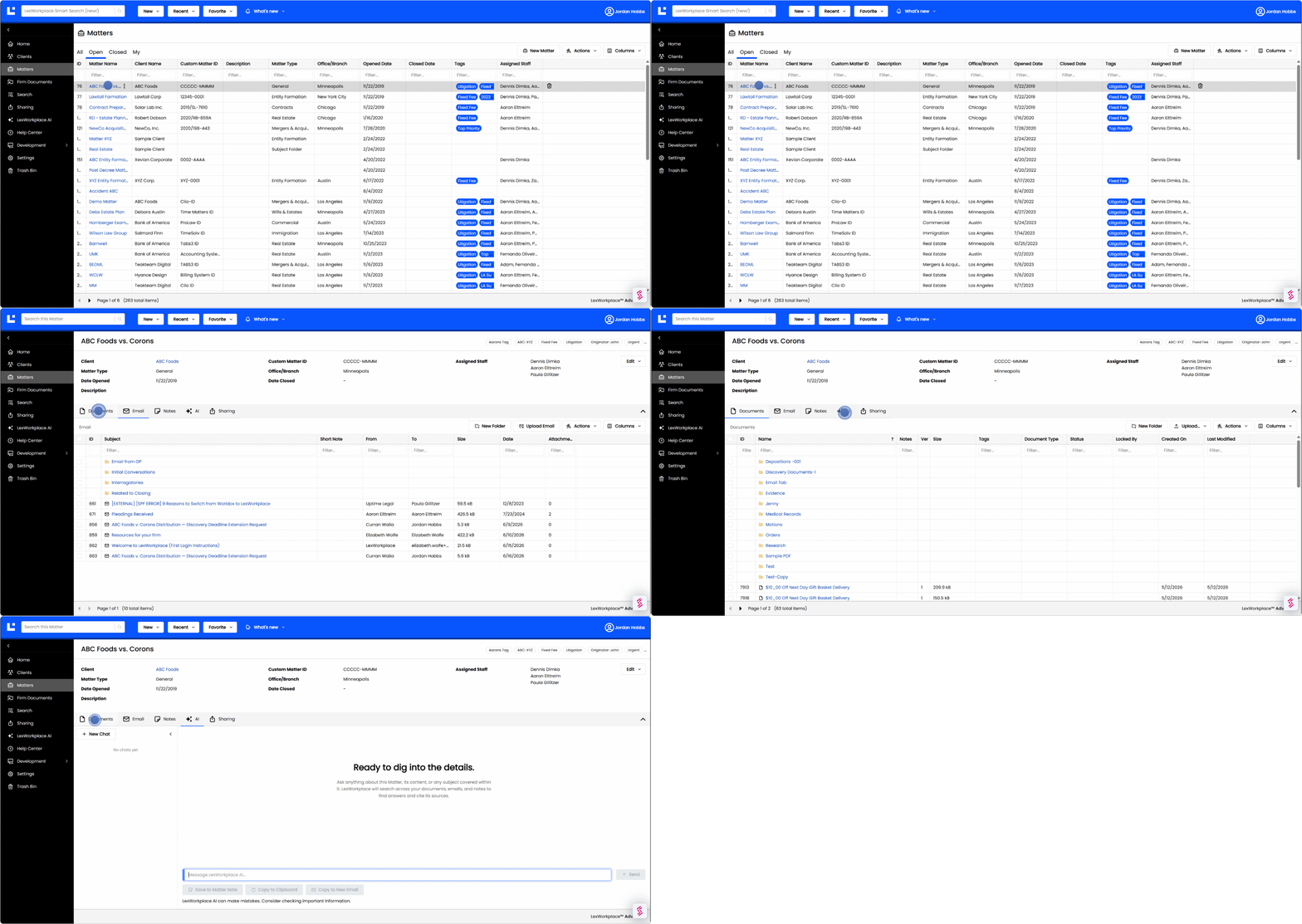
| LexWorkplace | Cloud-native | Small-midsize firms wanting a true DMS without servers | Published; see pricing |
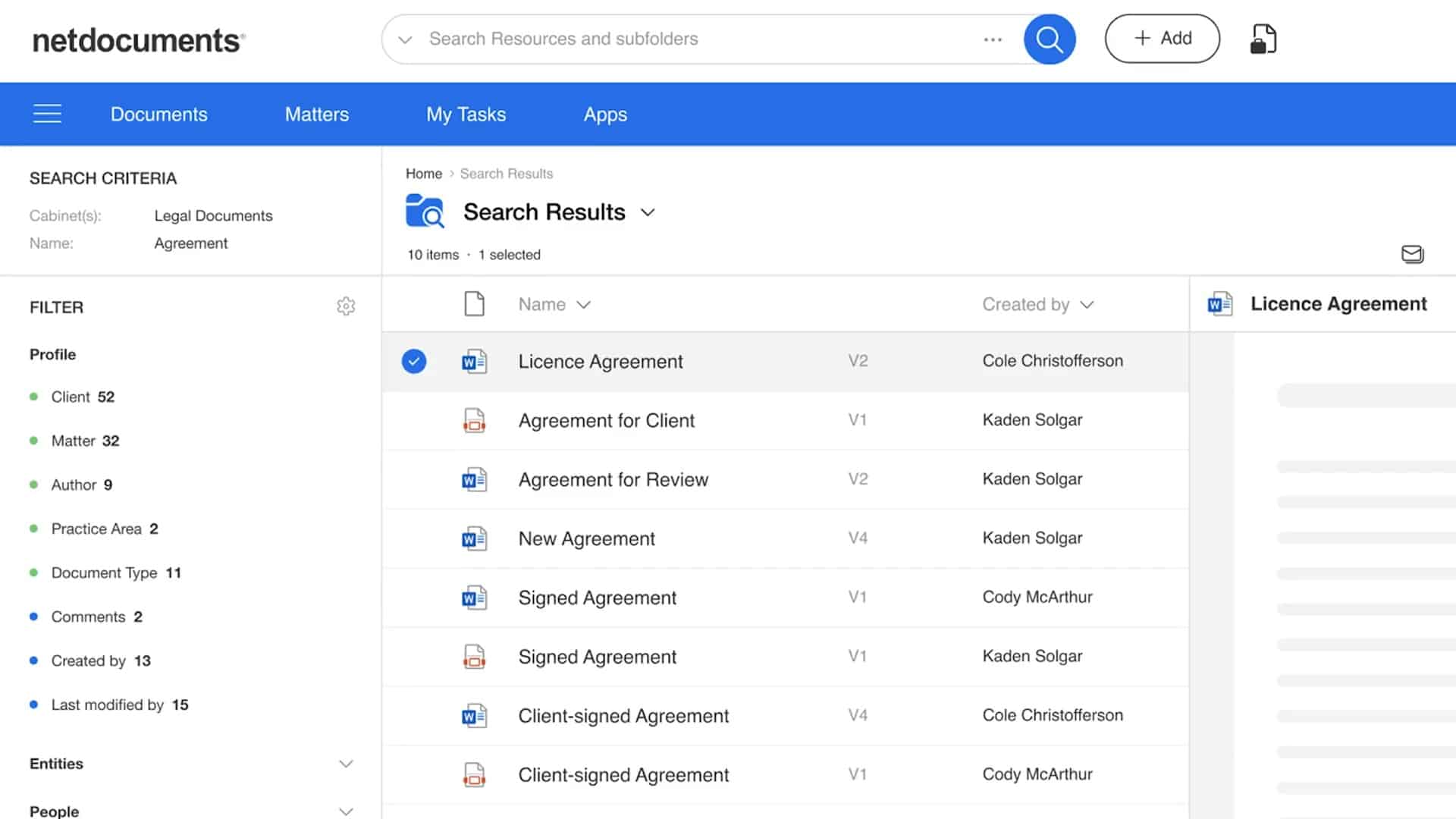
| NetDocuments | Cloud-native | Enterprise cloud DMS, easier to adopt than iManage | ~$20–$40/user/mo |
| SharePoint (M365) | Cloud | M365 firms with IT to configure it | In many M365 plans + setup |
| Filevine | Cloud | Litigation/PI firms; or its standalone Docs DMS | Quote-based; ~$65/user/mo; Docs flat-rate |
| LEAP | Cloud / hybrid | Small firms wanting cloud PM + document tools | Quote-based; ~$149/user/mo |
| ProLaw | On-prem / hybrid | PM + DMS + accounting in one | Quote-based; ~$150–$300/user/mo, est. |
What Counts as an iManage Alternative?
iManage Work is a legal document management system (DMS): software that stores, organizes, and searches a firm’s documents and email by client and matter. A real alternative has to do the same core jobs — not just store files, but manage them.
At a minimum that means matter-centric organization, full-text search across documents and email, version management, document profiling and tagging, check-in/check-out, and tight Microsoft Office and Outlook integration. Basic cloud storage like Dropbox or a shared network drive doesn’t clear that bar — which is why this list focuses on true DMS and practice platforms, not file-sync tools.
Why Firms Look for an iManage Alternative
Most firms don’t go looking because iManage doesn’t work. They go looking because of what it takes to run it.
iManage is built for scale. At large firms with dedicated IT staff, that’s a strength. At a 5-, 15-, or 40-attorney firm, the same platform can mean cost that’s hard to predict, implementation that runs long, and a system that needs a specialist to administer. Common reasons firms evaluate alternatives:
The alternatives below were largely built to remove that overhead. We’ve grouped them by how most firms actually shortlist them.
The Top iManage Alternatives for Law Firms

Need enterprise scale rather than a small-firm fit? NetDocuments is the most direct cloud alternative to iManage — see our full iManage vs. NetDocuments comparison.
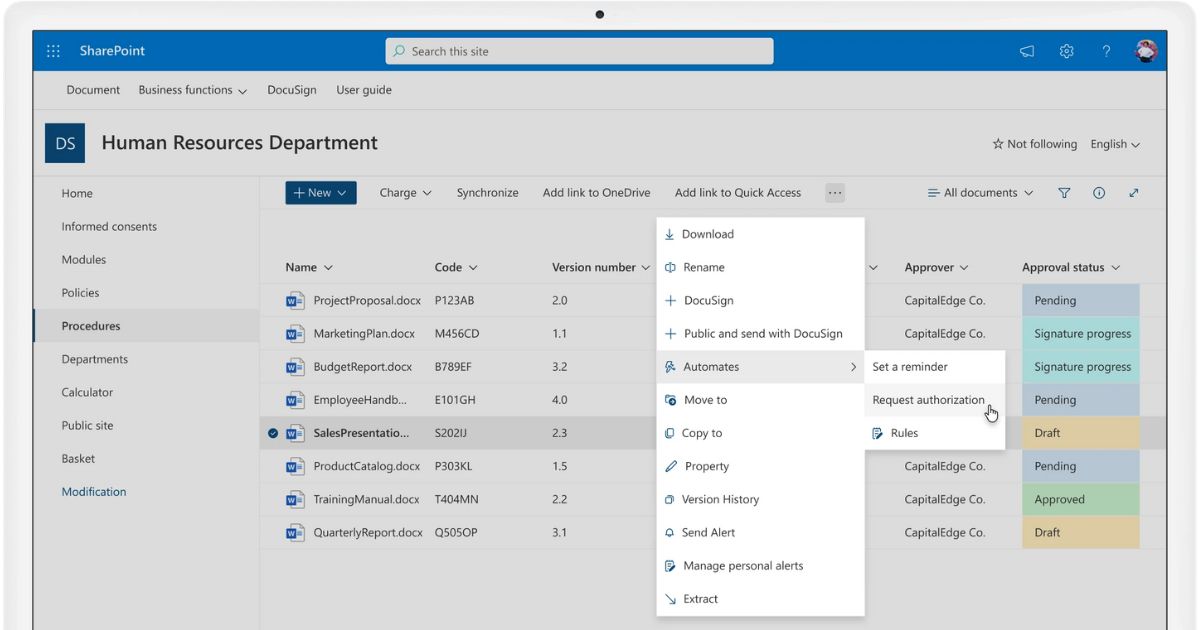
Already paying for Microsoft 365? You can shape SharePoint into a DMS — with some real caveats.

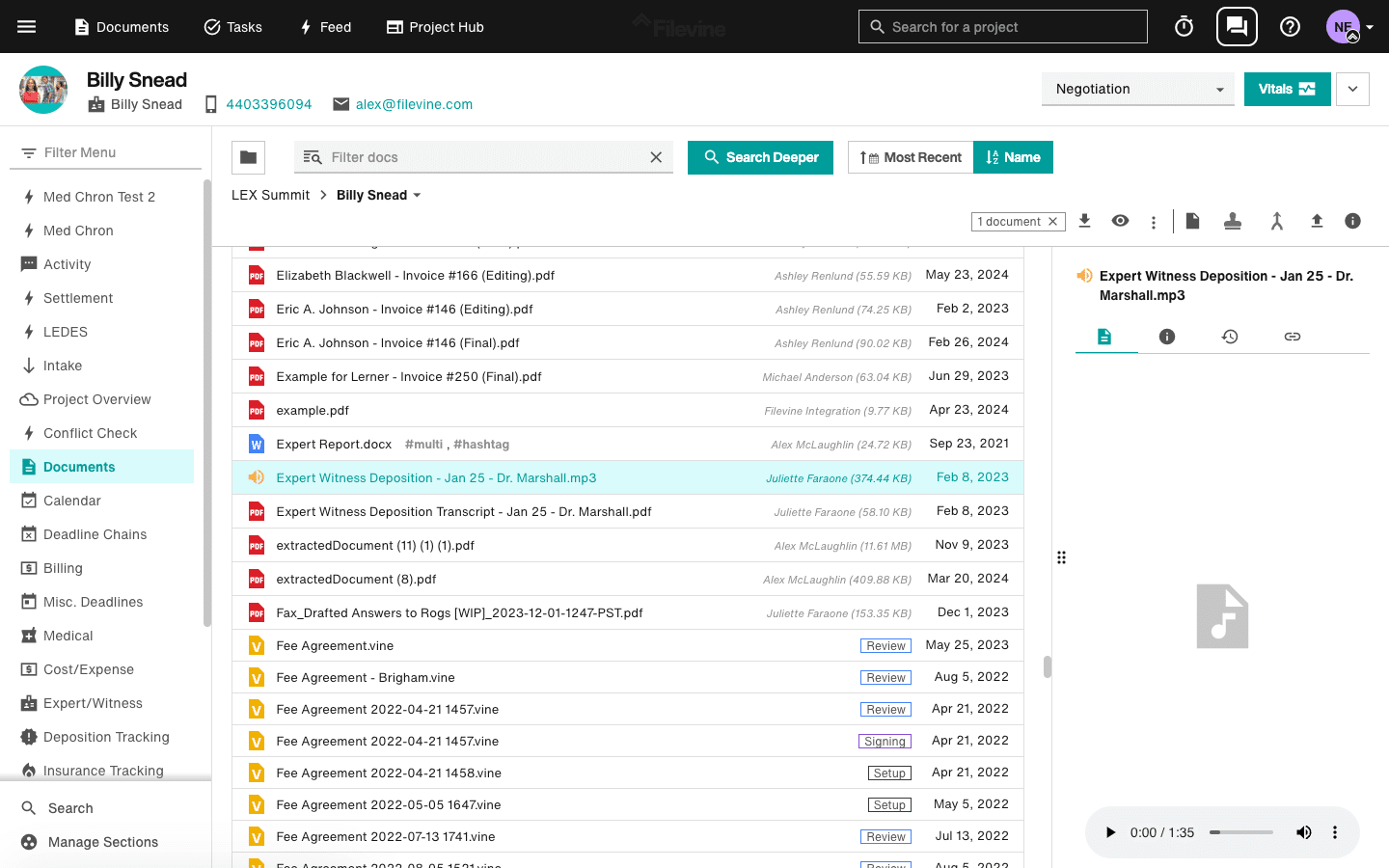
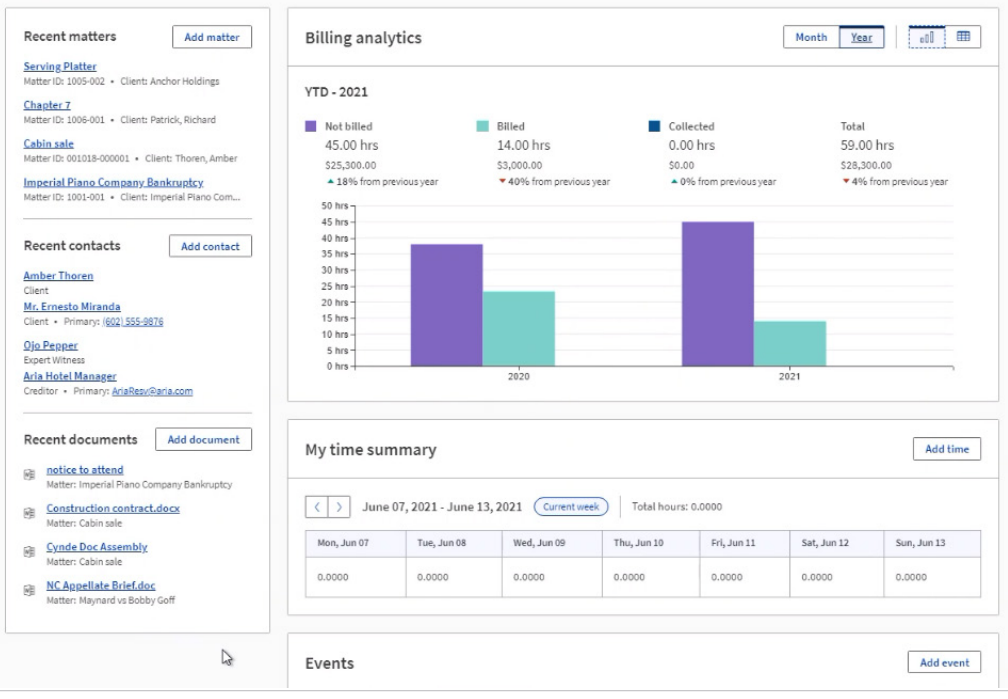
These platforms aren’t dedicated DMS tools — they pair document management with case or practice management, which suits firms that want everything in one place. (Filevine also offers a standalone DMS, Docs by Filevine, if you want just its document layer.)


Two quick notes before you choose.
Worldox, which you’ll still see on older alternative lists, is now end-of-life — NetDocuments acquired it in 2022 and on-premise support ends December 31, 2026, so if your firm is still on it, plan a migration rather than counting it as an option.
With the real options on the table, here’s how to choose between them.
How to Choose an iManage Alternative
The right alternative depends less on feature checklists and more on a handful of decisions:
For a wider view of the category, see our guide to the best legal document management software.

How to Choose an iManage Alternative
The right alternative depends less on feature checklists and more on a handful of decisions:
For a wider view of the category, see our guide to the best legal document management software.
Why Cloud-Based Document Management Wins for Most Firms
As you weigh iManage alternatives, it’s worth noting where the market has moved. iManage itself is now cloud-native, and most modern legal DMS platforms are cloud-first — for good reason. For small and midsize firms specifically, cloud-based document management tends to win on:
The Bottom Line
There’s no single “best” iManage alternative — the right fit depends on your firm’s size, where you stand on cloud vs. on-premise, and whether you want a dedicated DMS or a broader platform.
For most small and midsize firms, the deciding factors come down to cost, Mac support, real email management, and how painful the migration will be. If you want a document management system built specifically for law firms — in the cloud, without servers to maintain — LexWorkplace is worth a closer look.