Table of Contents
Basic cloud storage keeps your files online, but it’s only one piece of the law firm software stack — it doesn’t organize them the way your firm needs to work, and it doesn’t secure them the way your clients expect.
Google Drive, OneDrive, Dropbox, and Box all solve file sharing well. None of them link a document to the matter it belongs to. None of them were built around a law firm’s security and compliance obligations.
That’s exactly where firms run into trouble: solid files, solid security, and no sense of who’s using them or why.
This guide compares the top cloud storage options for law firms, breaks down the security controls that actually matter, and shows you when it’s time to move to a purpose-built legal document management system.
Introduction to Law Firm Cloud Storage
Every law firm’s cloud storage decision comes down to the same tension: basic tools are convenient, but they weren’t built for how legal work actually happens.
Services like Google Drive, Box, and OneDrive excel at day-to-day tasks. They’re built for sharing large files, collaborating on drafts in real time, and syncing documents across devices.
They shine at basic collaboration. Legal practice demands more:
Consumer-grade clouds weren’t built for these requirements. Firms quickly reach their limits, and that’s where a true DMS adds value.
Essential Cloud-Storage & Security Features
The features that separate basic file storage from legal-grade storage fall into three risk categories: ransomware protection, data-loss prevention, and access control. Before you compare providers, it’s worth knowing which of these actually matter for your firm.
Here’s the full checklist:
Three of these items carry more weight than the rest, and it’s worth understanding why.
Ransomware protection doesn’t require a sophisticated attack to fail. It just takes one compromised login with nothing watching behind it. AES-256 encryption keeps your files unreadable if someone does get in.
Multi-factor authentication stops most attempts before they start, and continuous monitoring catches what gets past both.
Data-loss prevention protects against the failures no one plans for. A single server crash can cost your firm days of lost work if backups aren’t tested and redundant.
Geographically redundant data centers keep copies of your files in more than one place at once. Automatic backups with version history mean a bad save, or a bad actor, never costs you the only copy.
Internal access controls decide who can see what. Not everyone at your firm needs access to every matter.
Role-based permissions let your firm set that boundary once, by matter, instead of relying on everyone to self-police a shared drive. Check-out and check-in locks a document while someone’s editing it, so two people can’t overwrite each other’s work.
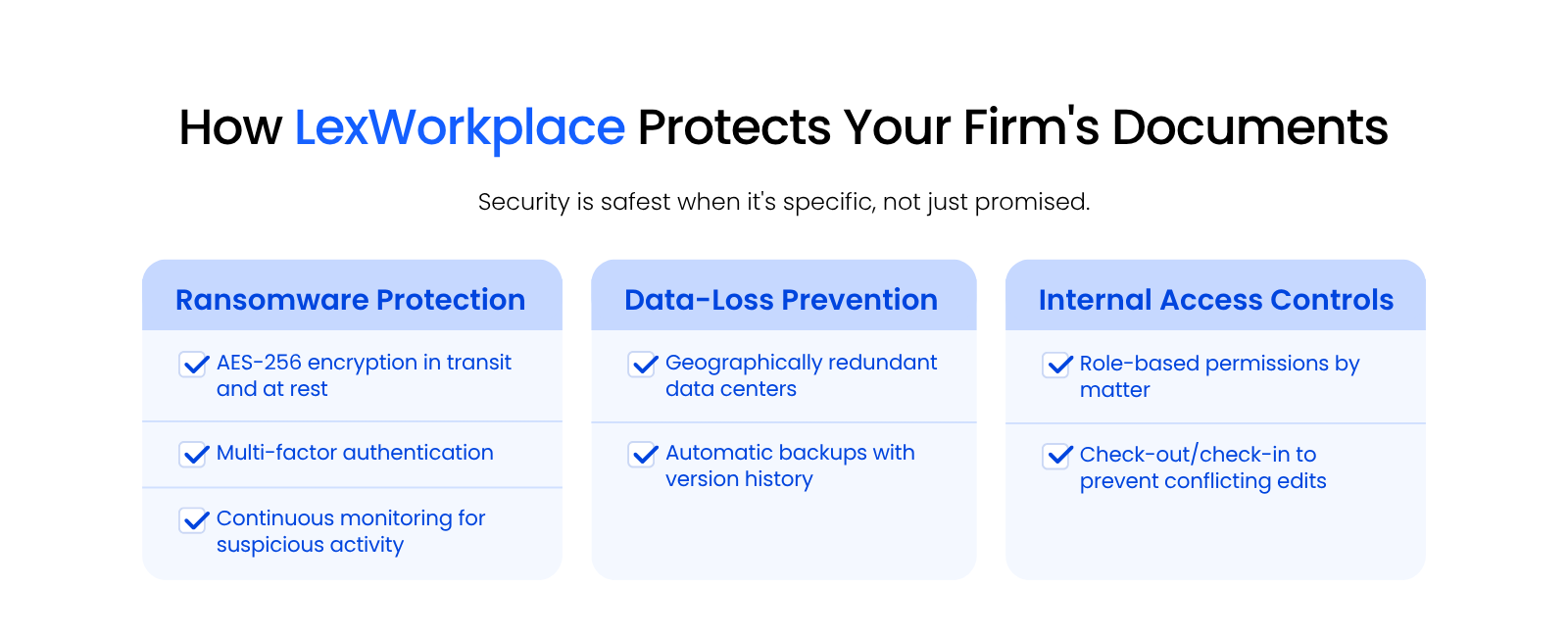
These same three categories apply whether your firm ends up on a full DMS or is just trying to harden basic cloud storage on its own.
Document Security
A deeper look at what a legal-grade security posture actually requires beyond basic file storage.
If your firm is still weighing basic storage against a broader cloud strategy, cloud solutions for law firms covers the bigger picture beyond just where files live.
Top Basic Cloud-Storage Providers
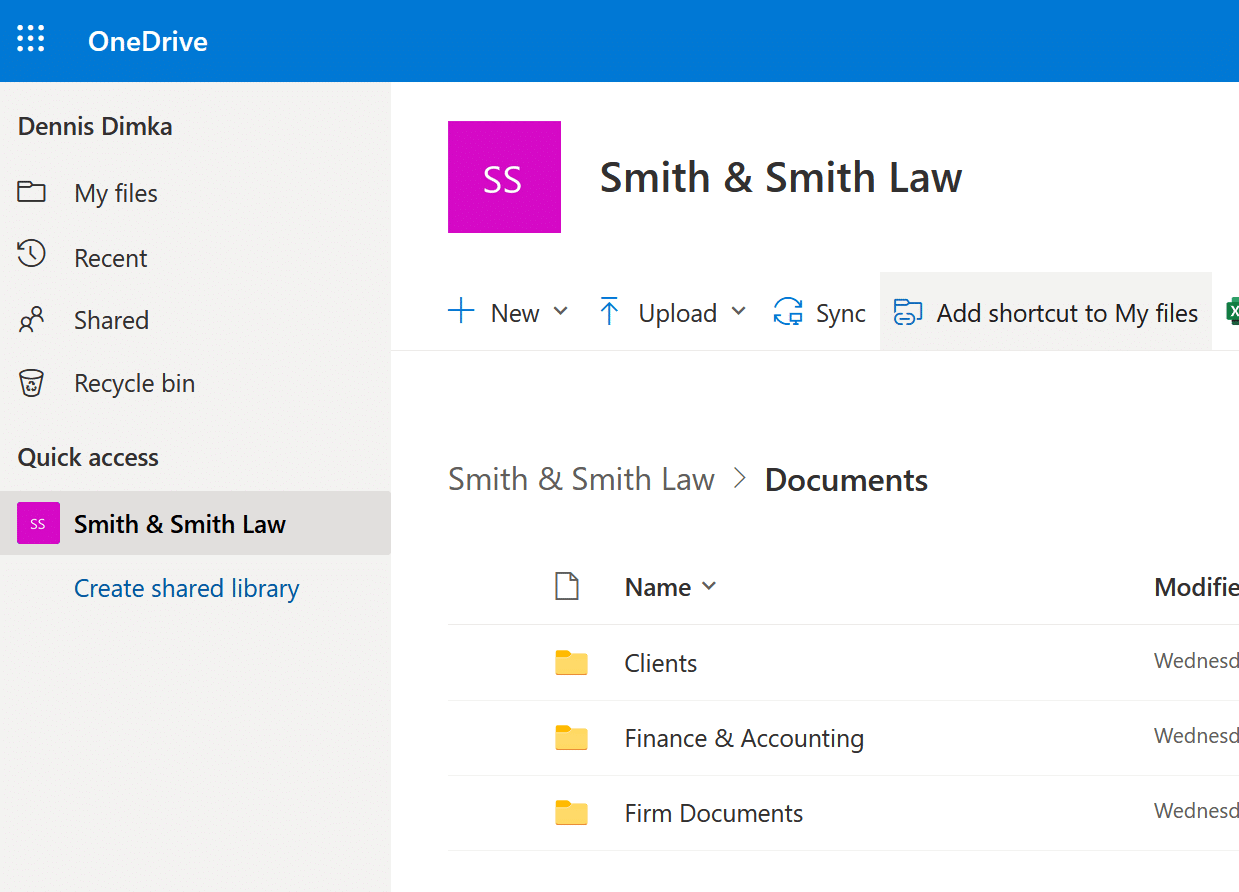
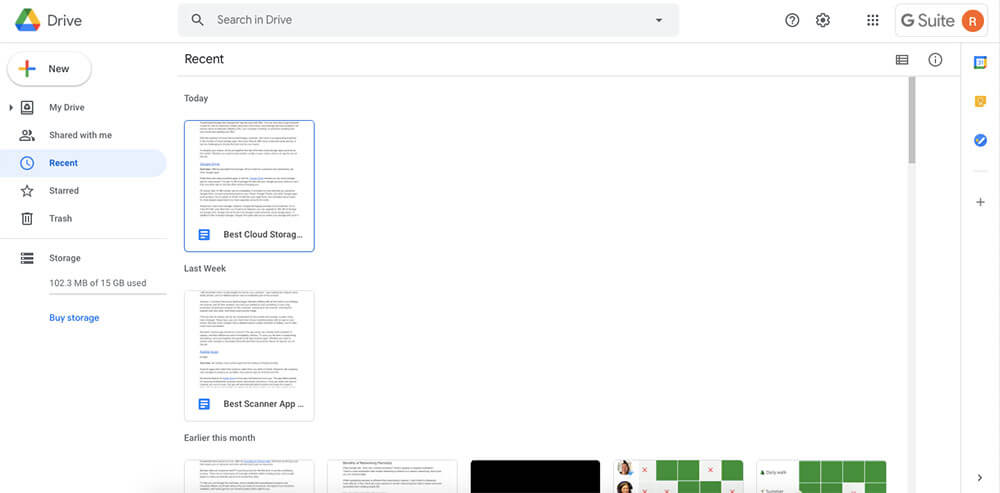
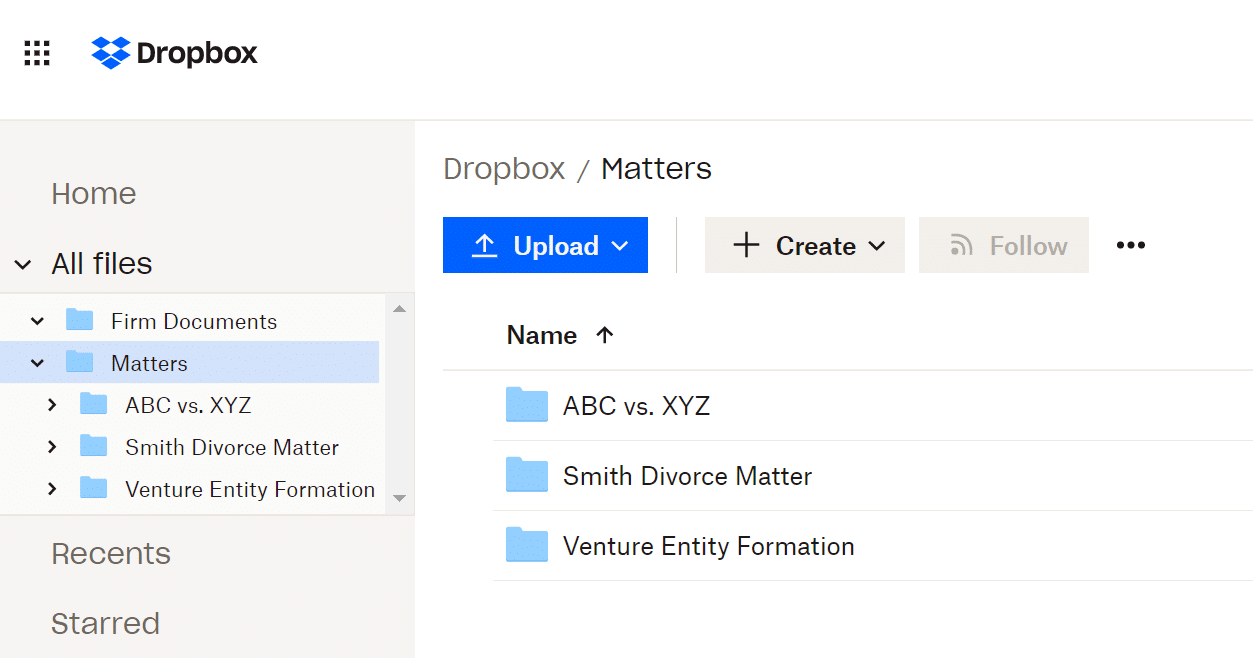
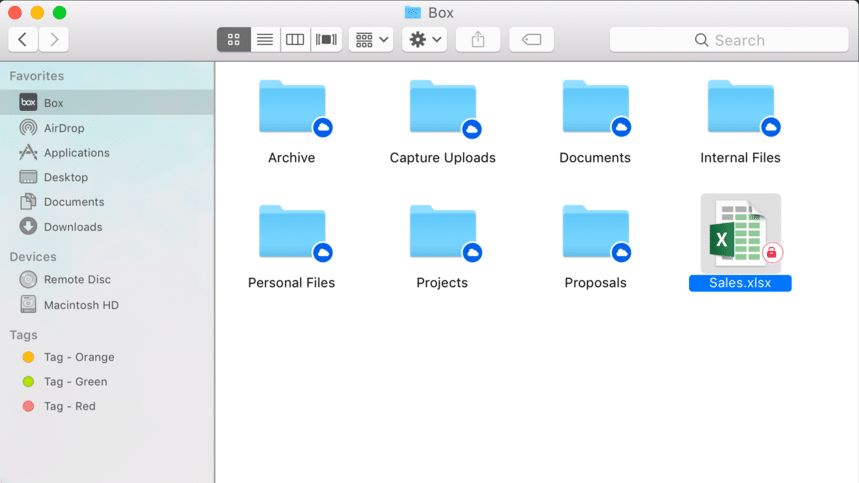
OneDrive, Google Drive, Dropbox, and Box are the four cloud storage tools most law firms consider first, and each one handles the basics differently.
Below is a side-by-side look at how they measure up against the must-have capabilities you just checked off.




Why Basic Cloud Storage Falls Short for Law Firms
Even the most robust off-the-shelf clouds leave critical gaps once your firm’s needs go beyond simple file sharing.
Consider these limitations and drawbacks when evaluating cloud storage for your firm.
In short:
Basic tools can patch a few of these gaps with the right setup, and a closer look at document management versus consumer-grade cloud storage breaks down that comparison in more depth.
Common Misconceptions About Cloud Storage Security
The cloud is safer than most law firms assume, and the specific reasons firms hesitate don’t hold up against how legal-grade cloud storage actually works. Some of these objections made sense a decade ago. None of them hold up today.
| Myth | Reality |
|---|---|
| The cloud is less secure than an on-premise server | Cloud providers invest more in security monitoring and infrastructure than most firms could build in-house. A real security incident gets handled the same way either way: find the entry point, close it, and build the ongoing review that catches the next one early. |
| Moving to the cloud means losing control of your data | Legal-grade cloud storage lets your firm set exactly where data lives and who can reach it. That’s real control, enforced through policy rather than a server in a closet. |
| Cloud storage is too expensive for law firms | Cloud pricing scales with what your firm actually uses. An on-premise server costs the same whether you need that much capacity or not. |
| Migrating to the cloud is too disruptive | A well-run migration moves through defined phases, and a provider who handles onboarding directly, rather than farming it out to a third party, keeps the disruption to days, not months. |
Data residency is one of the clearest places this plays out in practice.
None of these hesitations hold up under real scrutiny, and basic cloud storage can be configured to answer all four. A legal document management system builds the answers in by default.
Document Management Systems for Law Firms
That concludes our list of the top law firm cloud storage platforms. If your firm is considering new cloud-based file storage options, carefully evaluate your firm’s objectives and needs.
You may also find that you need a little more than basic cloud files and folders. Consider the advantages of a true document management system (DMS) for your law firm as well.
The right legal document management software can be as simple to use as basic cloud storage, but with additional tools and capabilities to manage documents and email.
Introducing LexWorkplace: A Legal-Centric DMS
When your firm outgrows basic clouds, LexWorkplace offers the features of a legal document management system that streamline legal document workflows.

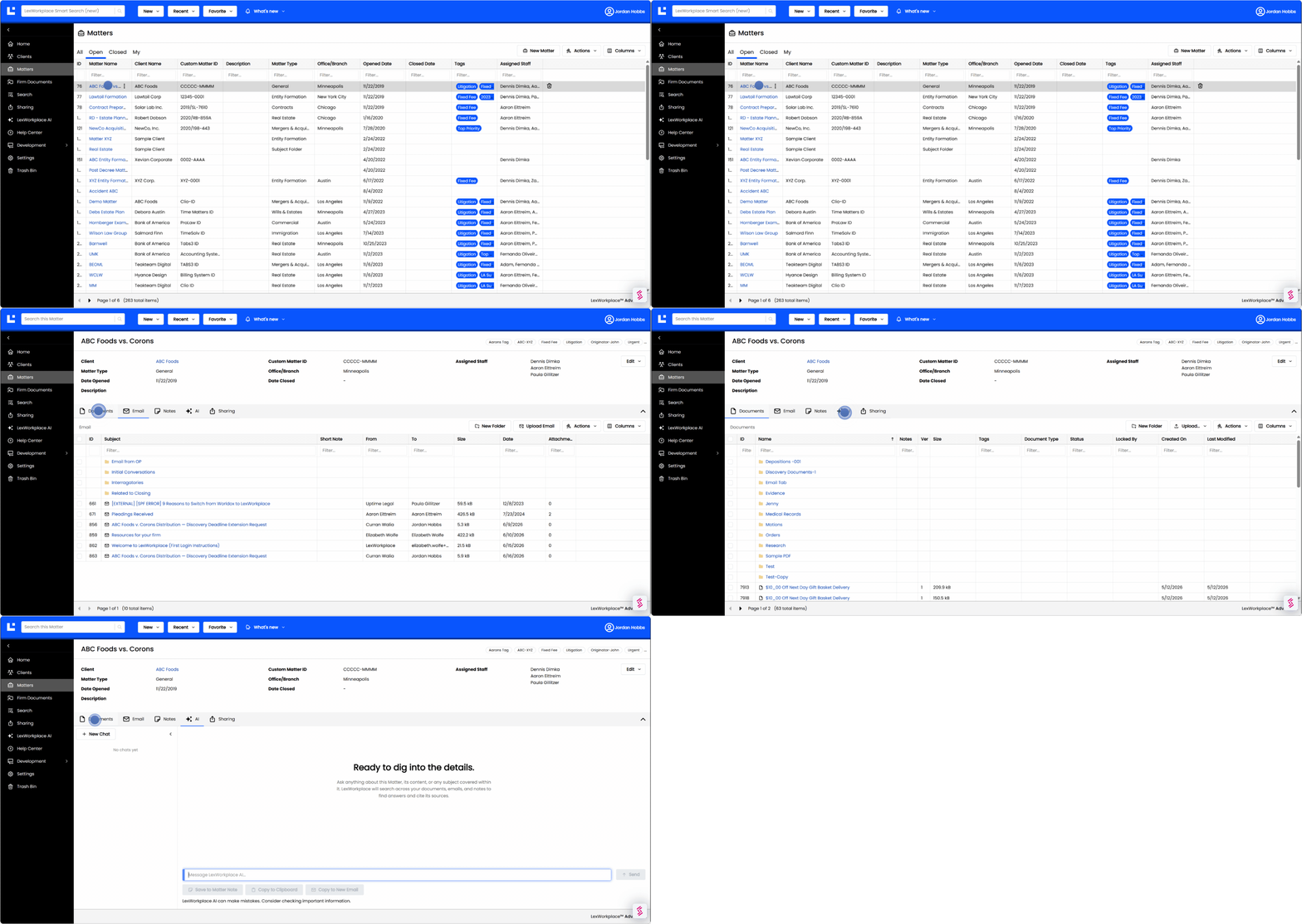
LexWorkplace was built to combine the simplicity of a tool like Google Drive with the depth of an old-school DMS.
LexWorkplace combines the convenience of cloud storage with the advanced controls and workflows law firms demand, so you spend less time wrestling with documents and more time practicing law.

Free Download: Document Management Comparison Chart
Making side-by-side feature comparisons by hand is time-consuming and easy to get wrong.
That’s why we built a free Document Management Comparison Chart that evaluates today’s leading cloud storage and document management tools side by side.
Inside the chart, you’ll find:
That coverage alone should surface most of the differences that matter for your firm.
How it helps you decide quickly:

Choose Cloud Storage Based on What Your Firm Actually Needs
Basic cloud storage works right up until your firm needs matter organization, real security depth, or a system built around client confidentiality. OneDrive, Google Drive, Dropbox, and Box all handle file sharing well. None of them handle what running a law firm actually requires.
The hesitations that keep firms on basic storage (cost, disruption, losing control) don’t hold up against how legal-grade cloud storage works today. When basic storage starts costing your firm more time than it saves, a purpose-built legal DMS builds that organization and security in by default.
WHAT’S NEXT